Conscious Consumption
I spoke to Taylor Joseph, a first year law student who is 25 years old and lives in Chevy Chase, Maryland. Our discussion covered several topics, including Joseph's general ideas and practices about conscious consumption; her knowledge and perception of Tesla and electric vehicles more generally; and, more broadly, the dilemma that consumers face when making purchases in a capitalist society. The themes that emerged in our conversation are summarized below and the interview is edited for clarity and concision.
Sankara: In the most general sense, would you say that you are a conscious consumer?
Joseph: I try to be. Conscious consumption, I think, is being aware of where your products come from and being mindful of how you spend your money and what one puts their financial resources towards. Personally, I mostly shop secondhand and try to be wary of things like fast fashion. Most of the things that I purchase are clothes or food. So I go for pre-worn clothes and mostly shop local - if I can find them, I generally prefer doing grocery shopping at food markets.
Sankara: How much do you know about Tesla and, more broadly, electric vehicles?
Joseph: I know what a Tesla car looks like. I have definitely heard of the brand and my impression is that they were one of the first to make a functional electric car. From what I know, they are still the top-of-the-line electric car manufacturer. I know that Elon Musk is the founder and he is kind of a kooky guy.
Sankara: What car do you drive right now and what did you consider before purchasing it?
Joseph: I drive a Honda Civic and my primary considerations before making the purchase were affordability and safety.
Sankara: Even though you know a little bit about electric vehicles and Tesla, is it fair to say that you do not see yourself as an enthusiast?
Joseph: I would not say that I am an enthusiast. And that is primarily because of the affordability of electric vehicles - I do not have the money to be splurging on an electric car so I cannot, necessarily, spend too much time thinking about and following the electric car industry. If I were very rich I would definitely get an electric car. It does not have to be a Tesla though.
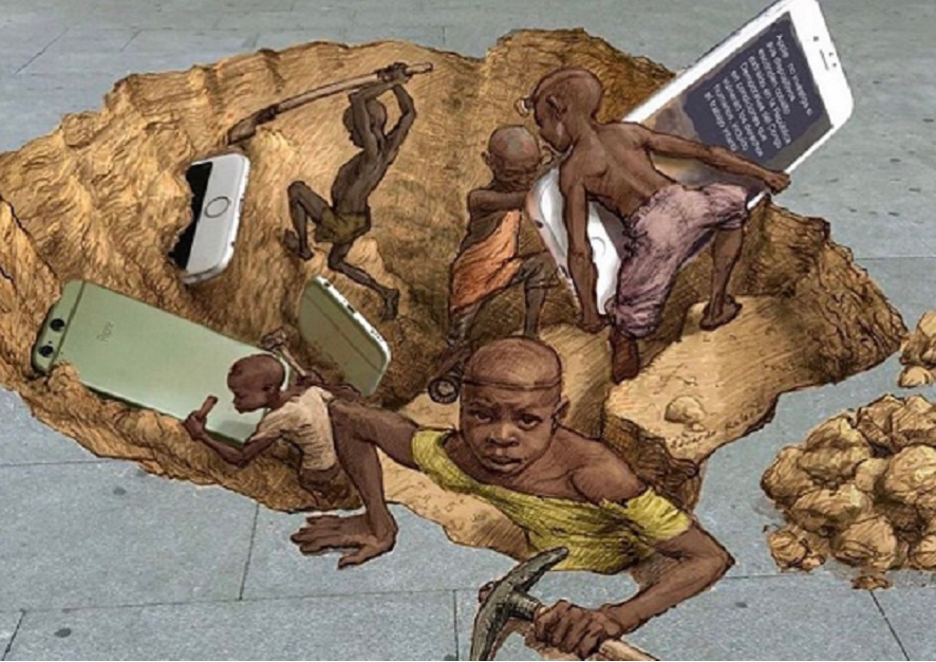
Sankara: Do you know that the batteries in electric vehicles and other consumer electronics use cobalt that is mined in unethical ways?
Joseph: I did not know that they have cobalt, but I did know that just generally materials in batteries do come from places where child labor is used. I am not sure how I came to that knowledge, it must have been a news article or a class in college and the piece was probably about iPhones. Either way, my education on this started fairly recently. I own an iPhone now and have had two others in the past.
Sankara: Did the information about problems in the supply chain of electric vehicles and other consumer electronics shift your consumption preferences in any real way?
Joseph: Honestly not really, because I already had the phone. And, really, there are no great alternatives that do not source materials in similar ways. So, no, this information did not change my preferences in any material way. If there was a comparable alternative I think I would change my preferences but I think the reality of the way Apple products are structured and interconnected likely precludes that kind of switch away from them as a meaningful option. I am a consumer of other Apple products and since I got my first iPhone and first computer I have been a little locked in just because it is easy to transfer files between devices and everything communicates with each other.
Sankara: Would you as a prospective Tesla customer be looking at the supply chain that powers the company as you look to buy an electric vehicle in the future?
Joseph: Realistically, I would like to think I would look at the supply chain. But honestly I do not know how much reliable information would be out there. I would at least like to do a comparison.
Sankara: Does this conversation do anything to shift your perception of Tesla and electric cars? Are more of these conversations?
Joseph: I think more conversations would be needed. Above all, people are conditioned to want convenience and really do not take the time to think about all the components that go into the production of an item. If it requires any sort of proactive action on the part of the consumer, I am skeptical that many people would take the steps needed to educate themselves before making such a purchase.
Sankara: Do you think that people would care more if the abuses were taking place closer to home?
Joseph: Probably. If they had more of a connection to the people affected, there could be more sensitivity. The type of person that is purchasing a Tesla does not, however, strike me as having any personal connection to somebody working lower in the supply chain.
Sankara: Overall, are you optimistic or pessimistic about our collective ability to become more conscious consumers?
Joseph: I think that I am very pessimistic.


Comments