A God, or a Man? Abstraction of Elon Musk in Late Capitalism

The locales of my investigation tend to be overshadowed by the coverage of Elon Musk and his companies. Appearing and always portrayed in the singular, coverages of Elon Musk "demystifies" his presence while mythologizing it at the same time.
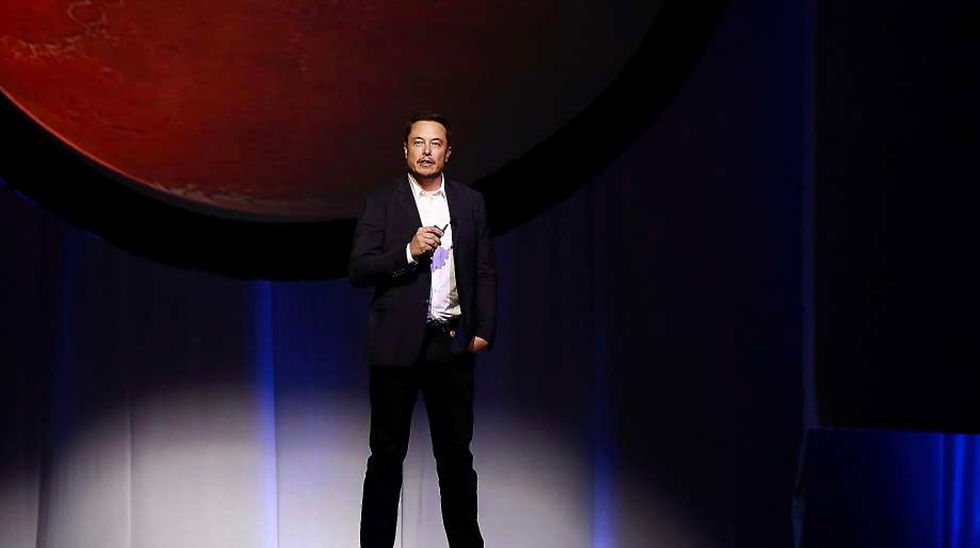
On the one hand, he appears larger-than-life, elevated on stage, at shareholder's meetings. He appears to be someone walking fresh out of science fiction. Musk is a genius and a visionary, the entrepreneurial man behind Paypal, SpaceX, Tesla, Neuralink, and so much more. Not only does he dream of sci-fi, but he also embodies it. Aspiring and signaling to a set of values such as hard work, intelligence, even silicone-valley eccentricity and nerdiness, Musk is an icon and an inspiration.
See Tesla's annual shareholder meeting, for instance
On the other hand, he appears to be an utterly approachable human being who watches anime and smokes weed. He vowed to have no physical possessions and lives in rental homes with his girlfriend. (Which, upon any further reflection, does nothing to undermine the fact that he is one of the wealthiest people on earth.) Such coverages flesh out Musk as "a dude" with whom you can have a good time.
See Musk with Joe Rogan or see Musk with NYT's Maureen Dowd:

The myth is a familiar one for late capitalism. It follows the logic of neo-liberal celebrity creation: the stars and dreams are reachable through determination and hard work. The human subjects on top of the game are enlarged and elevated to almost super-human status. Yet they still maintain total relatability and accessibility as stars. This relationship mistakes the para-social dynamics on media and social media for actual proximity and intimacy. (Which downplays the globally privileged racial, class, and educational background of Musk, as well as many other Silicone-valley tech entrepreneurs by framing them as entirely self-made, and thus reducing the social-economic context they were exposed.) For which this article by Kevin Taghabon does a good discussing.

In the case of Tesla and Elon Musk, such tunnel vision also downplays Musk's position as a capitalist, admittedly of most edgy ones. The style of exploitation is largely similar to the auto-manufacturing process of previous generations. When it comes to maintaining revenue stream, he clearly favors production more than human lives by advocating for premature factory reopening during a Californian COVID lock-down. His primary goal, shelled in the vision of multi-planetary colonialization (which is problematic as a concept on its own), is—as he observed— capital accumulation. Propagating a myth that "Musk the man" is an agent for change has a few fatal flaws. By ignoring the vast number of workers, engineers, manufacturers, and staff members in his ventures and only focus the spotlight on him risks misinforming the public about the situation. Musk might lead by vision, but Musk does not work alone, and Musk does not work on everything. Automobile manufacturing, as one of the most lucrative capitalist model in history, is sustained through the ties of capital ownership, not through personality and unrealistic workload.
Comments